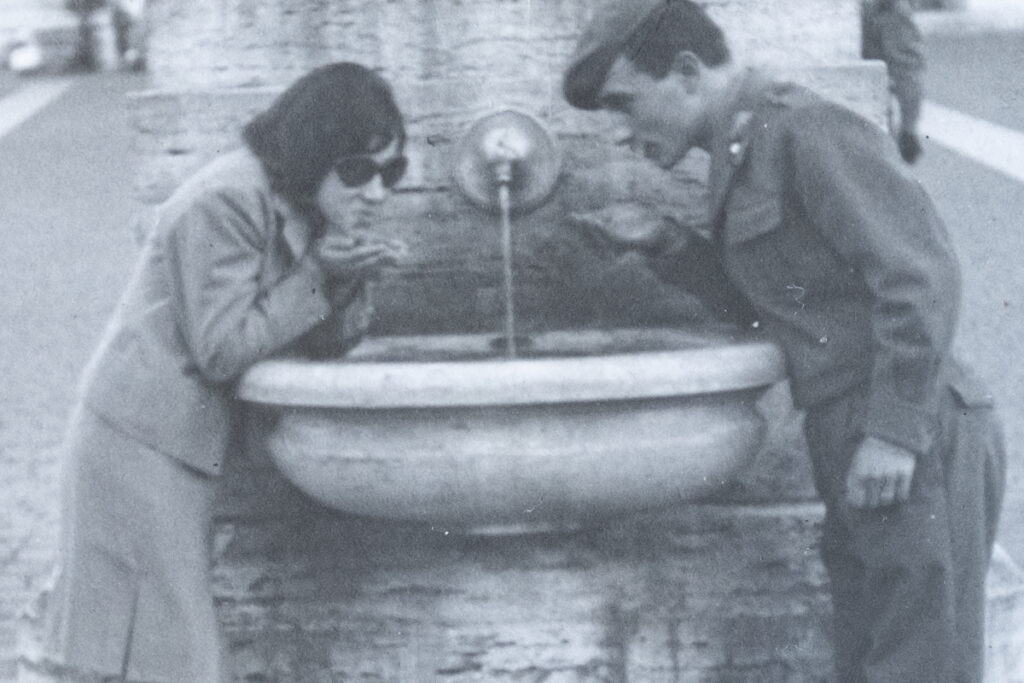
For a long time, Italy was a country of emigrants. Today, the cycle of the great mass exodus seems to have ended and turned into something more fluid. Italy has become a land of immigration and yet Italians continue to go abroad, moving away from a country that oscillates between the universality of the human being and the feeling of identity. This photographic story was born out of a need to try to understand the most intimate, emotional and multifaceted meaning of migration, looking at my family, who emigrated to northern Italy after World War II, and at myself, who left Genoa and arrived in Buenos Aires, a city that last century saw the arrival of millions of Italians in search of a better future.
The ocean that separates us becomes, at the same time, a place that unites us. Documenting this passage was useful to me in order to expand the meaning of migration as a social fact that does not only concern the person who decides to undertake the journey, but extends to the whole community and affects it profoundly. On my path, migration thus becomes an existential caesura that marks a before and an after. It is an event that questions the identity of the people involved, opening the way to change, but also to uncertainty, to the fear of being forgotten, to the need to create new relationships. To migrate means to meet a new horizon, like sailing on a rough sea which, although it conveys restlessness, is by nature open to all. Can we recognise and accept that identity, despite its pretensions and illusions, is radically elusive?
Emovere: from Latin, it is equivalent to move out, bring out, move.
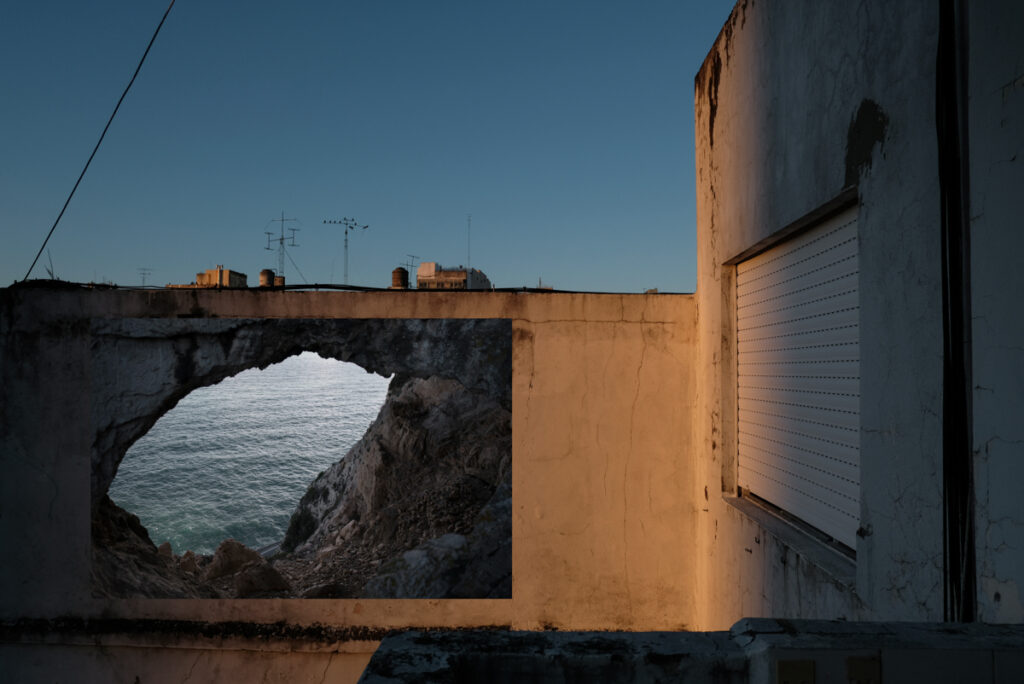
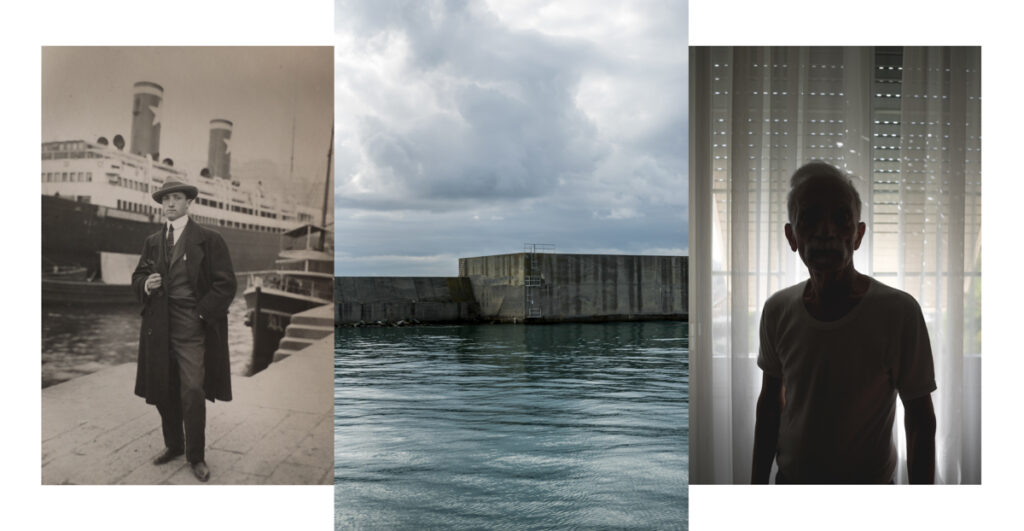
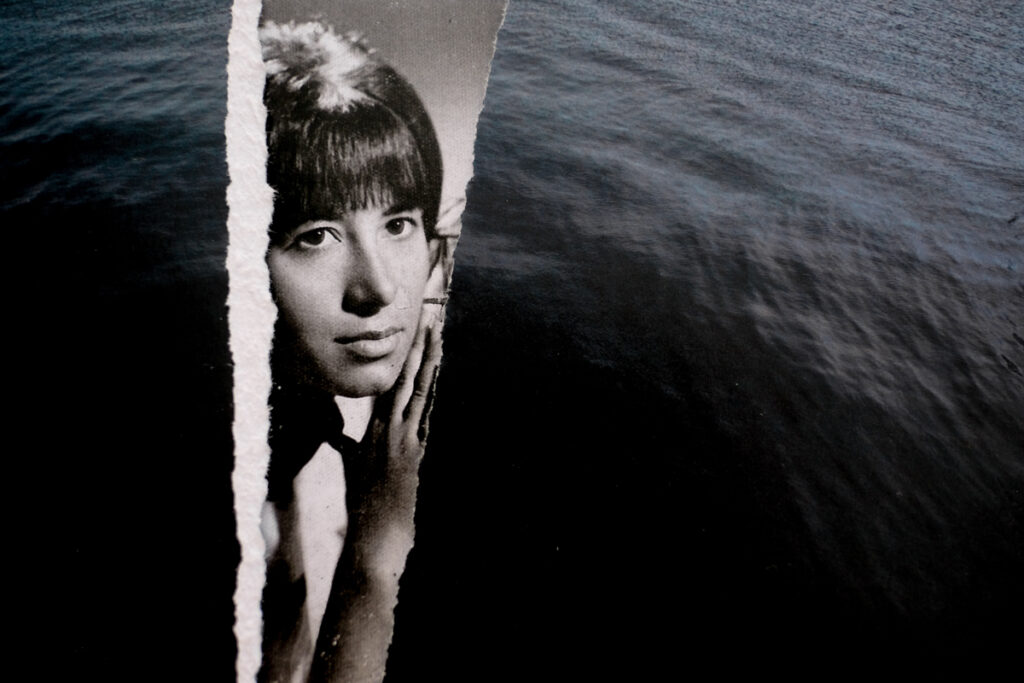
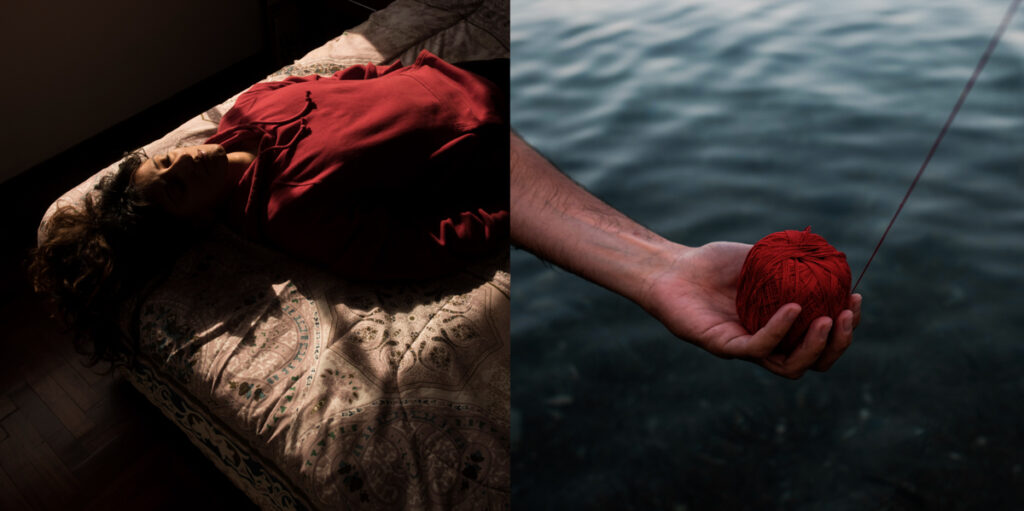
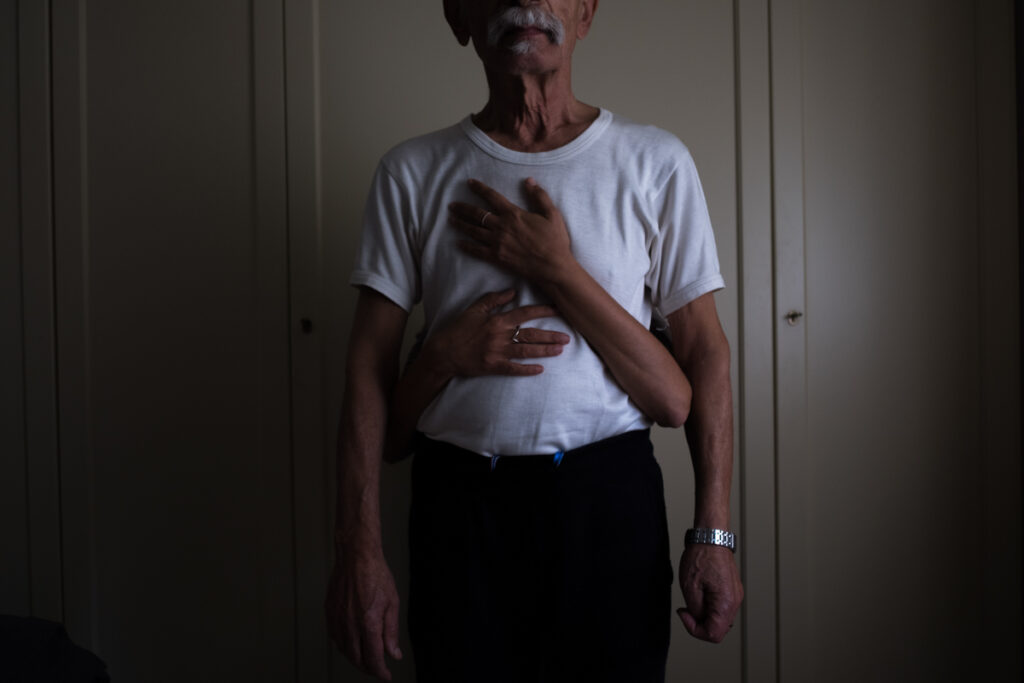

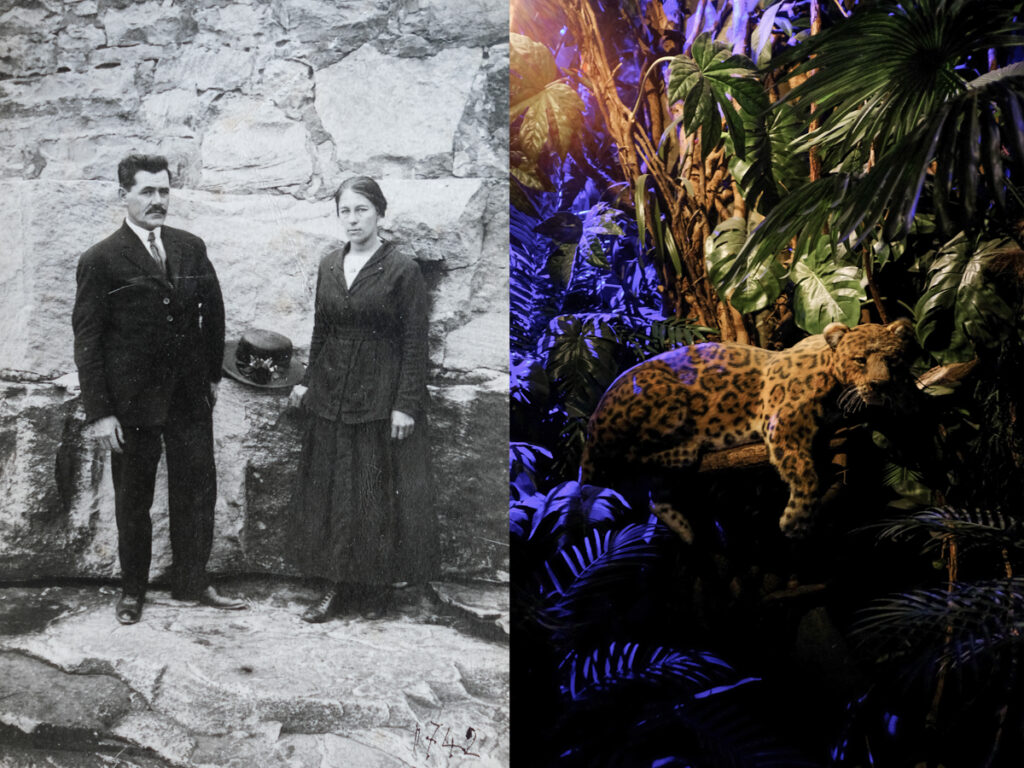
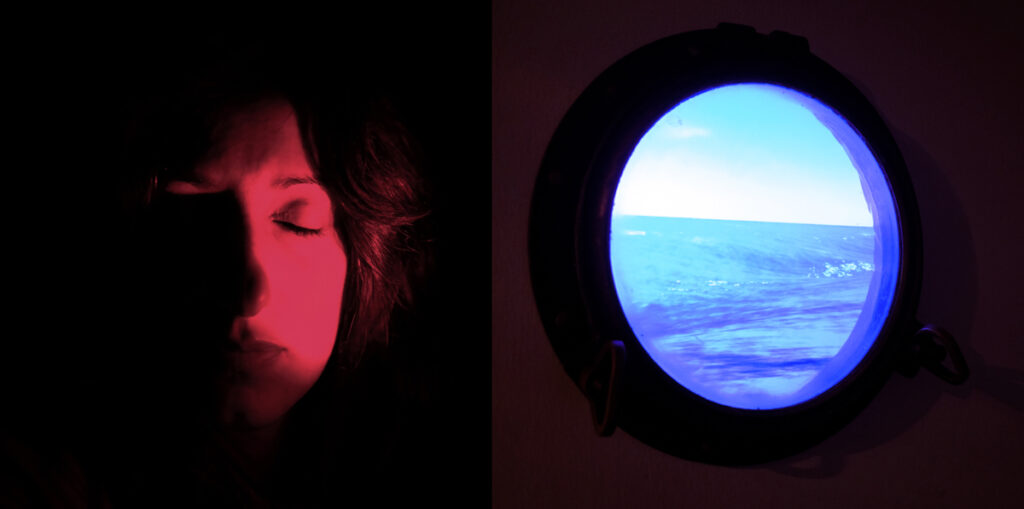


Emotion and motion are linked by their etymological root. Two very different concepts that nevertheless refer to each other every time they are defined.
To be a migrant is to accept this movement for a lifetime and therefore to know that it will always be accompanied by a cocktail of emotions. The movement of the immigrant pinpoints an origin and from there is shot like an arrow toward a particular destination. Its course is determined.
The most intimate, emotional, and multifaceted feeling presents itself through uprooting. There will always be the possibility of new horizons. Throughout this process, Valentina Fusco draws her work from the contradiction of this ever-changing and fluid intermediate territory. A space for the creation of a nexus that is neither one place nor the other, but rather this movement’s collected caused erosions on both shores. The characteristic of this in-between space is the constant movement between two pieces of land often separated by huge stretches of water.
The migrant experience is widely varied. Some leave their lands by force, others by choice. Some travel long distan- ces, others only a few kilometers to a nearby destination. Some people never return to their places of origin. Others live as if they had never left the place where they were born, maintaining each and every one of their customs. Although each person’s experience is always unique and non-transferable, we are all some kind of migrants.
Valentina Fusco’s work investigates different migratory processes throughout history, but instead of seeing migrants as victims of fate, she listens for their voices, however distant and muffled they may sound.
Emovere arises from the artist’s own migration, leaving Genoa to settle in Buenos Aires in 2019, and how that quickly undergoes nuanced changes when she is prevented from returning by the restrictions imposed during the coronavirus pandemic. From Buenos Aires, she began to take an interest in the Italian migrations that left Europe en masse for the “new world” that
Argentina has represented since the beginning of the 20th century. She also explores the problems of migratory movements in Europe today. This search ultimately focused onto the migratory experience of her parents who left Naples in the 1960s to seek a better future in Genoa. In these comings and goings from the personal to universal shared histories, internalising what is her own and mixing it with what is not, she observes how these movements are forever shaping the life of the emigrant.
The decision to think about migratory processes through water as a metaphor places the author in a everchanging position not seeking to draw conclusions, but rather to inhabit a space of fluid and moving questions. Looking from the water allows us to observe the concrete aspect of the coast that is being abandoned or that of the destination, exposing the complexity of the vision from a body that will always be contradictory, structuring but also structured. There is no longing for the place of origin or a conclusion about the chosen destination. Rather, it navigates the uncertainty of the life of one who has weighed anchor.
Paula Teller